
Why Infrared Imaging Is Essential for Mold Inspections
If you’ve ever received a mold inspection report and noticed a section labeled “IR Photos” or “Infrared Images,” you may have wondered what they are and why they’re included.
At Sasser, we use infrared imaging as part of our comprehensive mold inspection process because it helps us locate hidden moisture that may otherwise go undetected. While infrared cameras don’t actually see mold, they are one of the most valuable tools for identifying the conditions that allow mold to grow.
What Is an Infrared (IR) Camera?
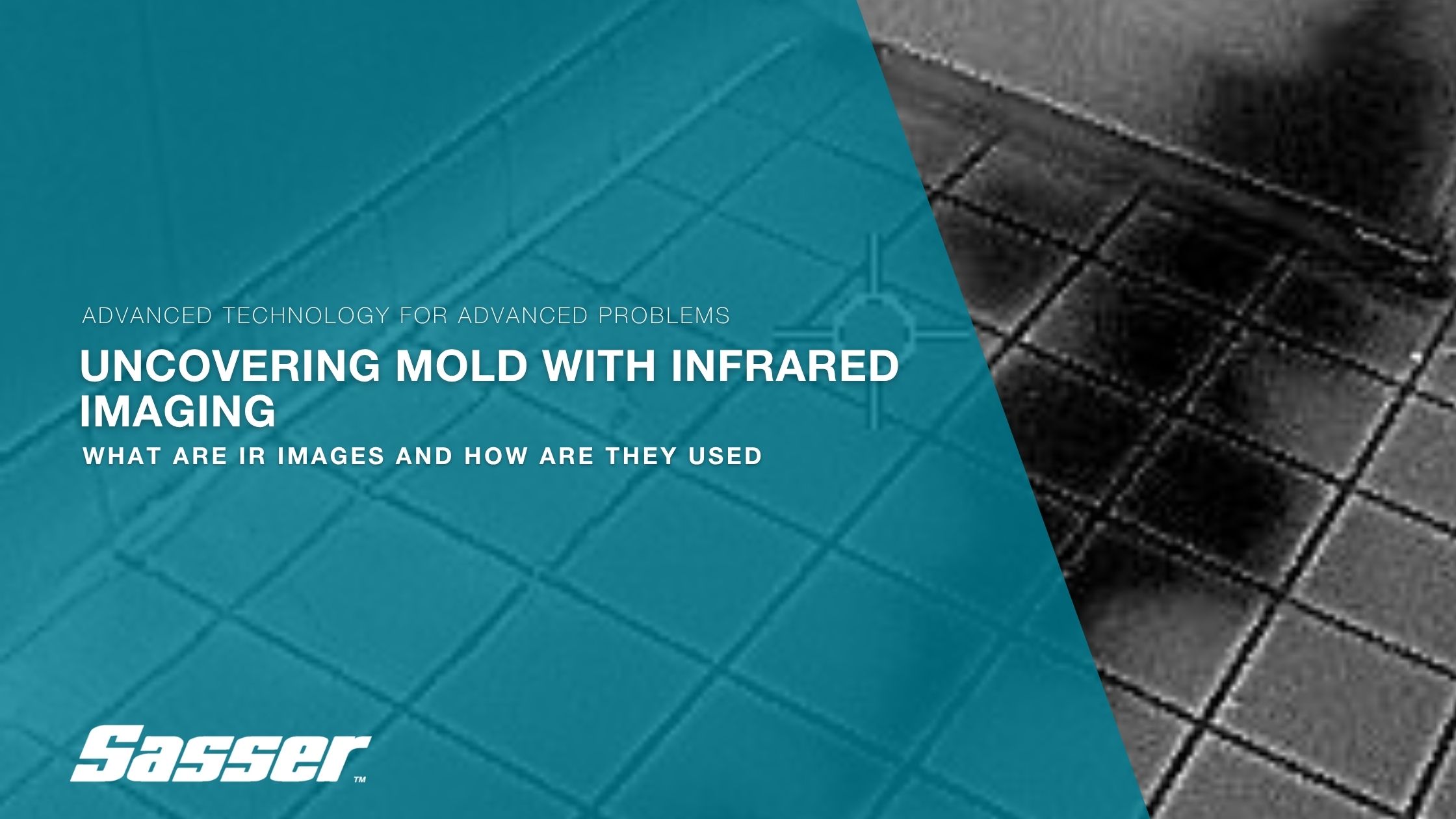
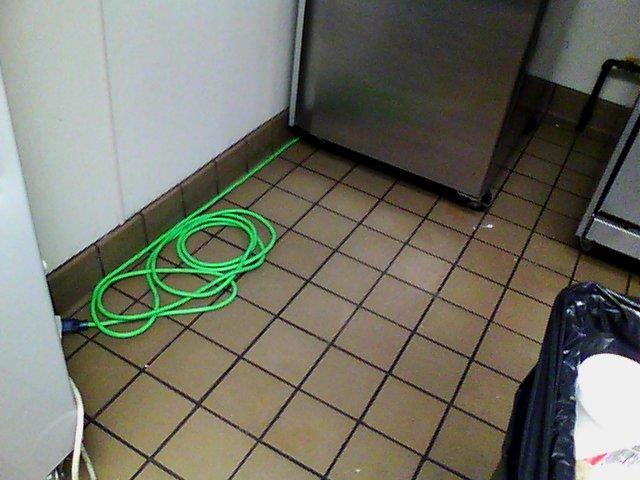
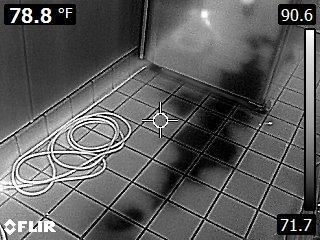
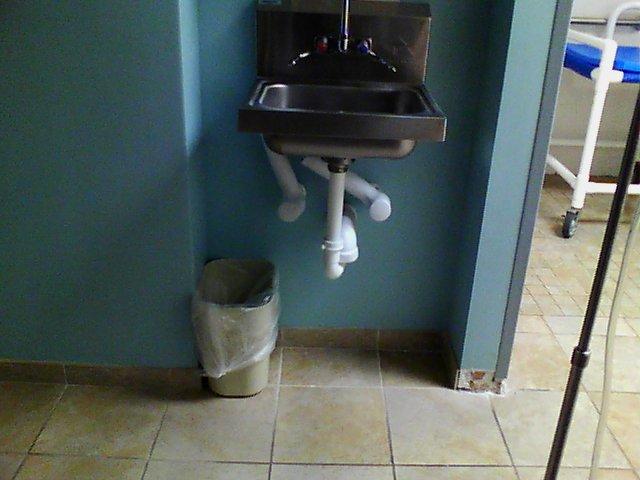
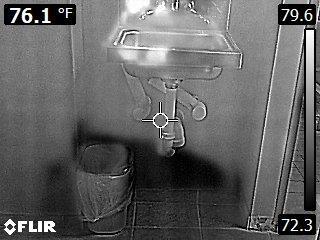
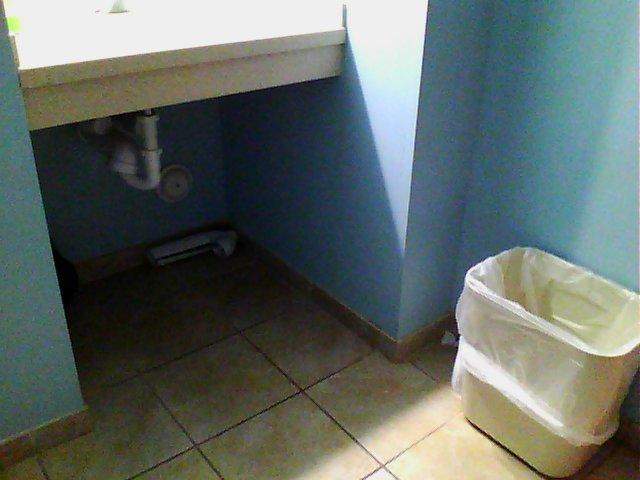
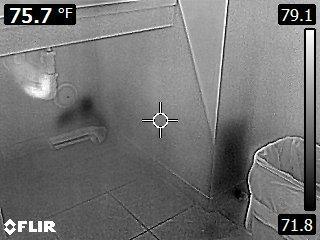
An infrared (IR) camera, also known as a thermal imaging camera, detects heat instead of visible light. It creates a color-coded image that highlights temperature differences across surfaces such as walls, ceilings, floors, and other building materials.
Areas with excess moisture often have different temperatures than surrounding dry materials. These temperature variations allow trained inspectors to identify locations that may require additional testing.
Can Infrared Cameras Detect Mold?
This is one of the most common questions we receive. The short answer is no.
Infrared cameras cannot see mold or confirm its presence. What they can do is identify areas where moisture may be hiding. Since mold needs moisture to grow, these areas deserve a closer look.
After identifying a suspicious area with thermal imaging, our technicians use additional tools such as moisture meters and, when necessary, mold sampling to determine whether moisture is present and whether mold growth has developed.
Why Moisture Detection Matters
Many mold problems begin in places homeowners never see. Common hidden sources of moisture include:
- Slow plumbing leaks behind walls
- Roof leaks above ceilings
- Window leaks
- Water intrusion after storms
- Appliance leaks
- HVAC condensation
- Wet insulation inside wall cavities
Without specialized equipment, these moisture issues can remain hidden for weeks or even months while mold continues to spread. Infrared imaging helps inspectors quickly locate these areas before they become larger, more expensive problems.
How Infrared Imaging Helps During Mold Inspections
Thermal imaging provides several important benefits during a mold inspection.
Finds Hidden Moisture
Water doesn’t always leave visible stains immediately. Infrared cameras can reveal temperature differences that suggest moisture may be present behind finished surfaces.
Helps Minimize Unnecessary Damage
Instead of opening multiple walls to search for moisture, inspectors can focus testing on the areas most likely to be affected. This helps reduce unnecessary demolition while improving the efficiency of the inspection.
Supports Accurate Moisture Mapping
Thermal images allow technicians to identify the potential size and location of moisture intrusion. This information helps create an effective drying and remediation plan.
Documents Conditions
Infrared photos become part of the inspection record, providing visual documentation of conditions at the time of the inspection. They can also be used to compare progress throughout the drying and remediation process.
What Happens After an IR Image Shows a Concern?
A thermal image is only the first step.
When an infrared camera identifies an area with unusual temperature patterns, our technicians perform additional testing, including:
- Moisture meter readings
- Visual inspection
- Humidity measurements
- Mold sampling when appropriate
- Identification of the moisture source
Only after gathering this information can we determine whether mold remediation is necessary.
Why Sasser Uses Infrared Imaging
At Sasser, we believe the best mold inspections combine experience with the right technology.
Infrared imaging allows our team to investigate your property more thoroughly while reducing guesswork. Combined with moisture detection equipment and industry-standard inspection procedures, thermal imaging helps us identify hidden moisture before it leads to more extensive damage.
Whether you’re dealing with a recent water leak, suspect hidden mold, or simply want peace of mind, our experienced team is equipped with the tools needed to perform a comprehensive inspection.
Schedule a Mold Inspection with Sasser
If you’ve noticed musty odors, experienced water damage, or believe mold may be growing behind walls or ceilings, don’t wait until the problem becomes more serious.
Sasser provides professional mold inspections using infrared imaging, moisture detection equipment, and proven restoration expertise to identify the source of the problem and recommend the right solution.
Contact Sasser today to schedule your mold inspection and protect your home or business from hidden moisture and mold damage.
Contact a Sasser Professional