

Preventing Healthcare-Associated Construction Risks: Why Infection Control Matters During Restoration Projects
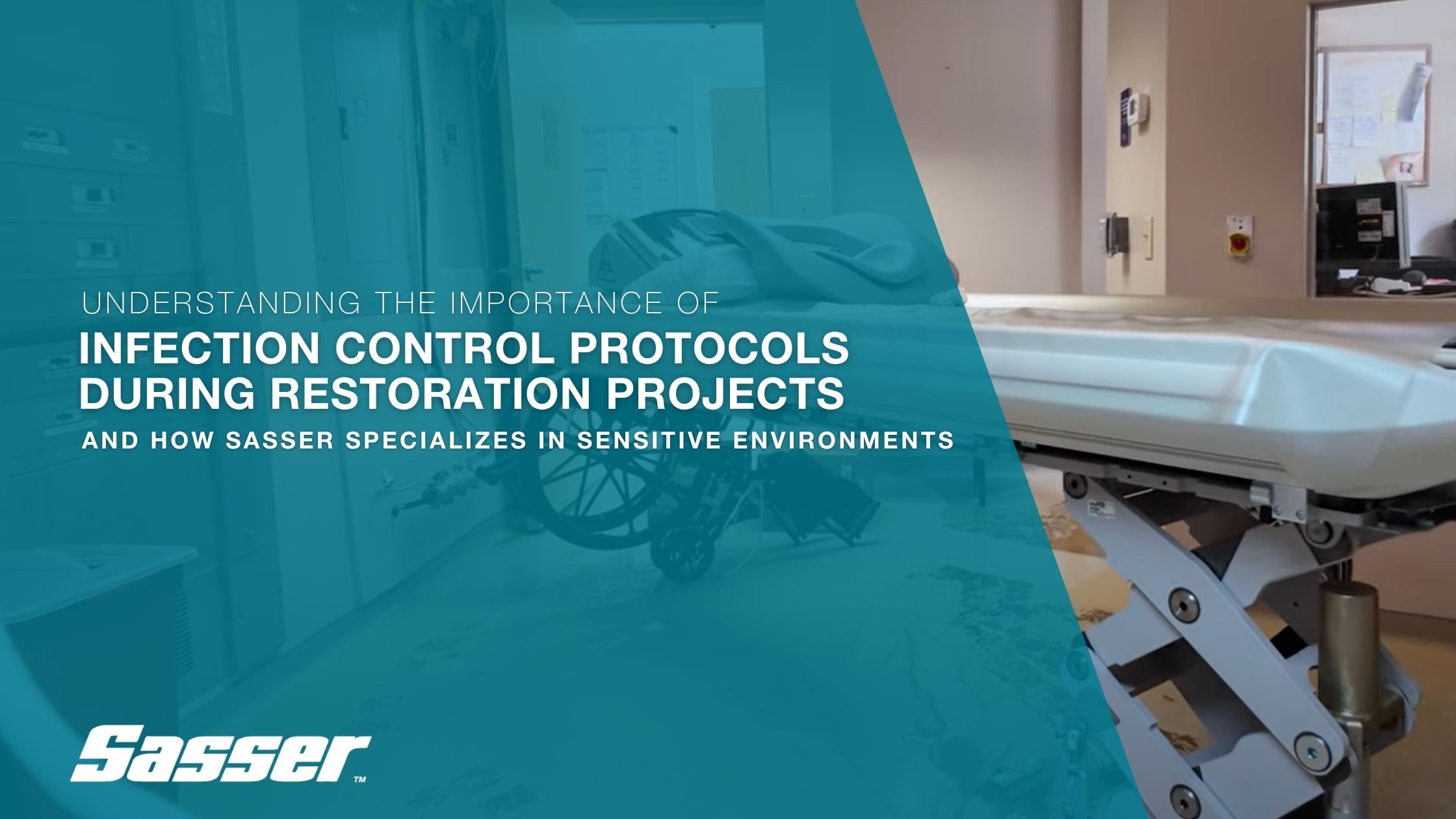
Healthcare environments don’t allow for guesswork. When restoration or reconstruction work is underway inside hospitals, outpatient facilities, or long-term care centers, even minor lapses in infection control can create serious risks for patients, staff, and visitors.
That’s why restoration in healthcare settings requires more than technical skill—it requires discipline, planning, and specialized training in infection prevention.
Understanding the Risk in Healthcare Construction
Any construction or restoration activity in an occupied healthcare facility introduces potential hazards, including:
- Airborne particulates (dust, mold spores, debris)
- Disturbance of hidden contaminants within walls or ceilings
- Disruption of negative pressure environments
- Cross-contamination between construction zones and patient care areas
- Increased vulnerability for immunocompromised patients
Without proper controls, these risks can quickly escalate into healthcare-associated infections (HAIs), regulatory violations, or operational shutdowns.
The Role of Infection Control During Restoration
Effective infection control during restoration projects is built on strict protocols, including:
- ICRA (Infection Control Risk Assessment) planning
- Proper containment barriers and anterooms
- HEPA-filtered negative air systems
- Controlled material and personnel flow
- Continuous monitoring of pressure differentials
- Coordination with facility infection prevention teams
These measures are not optional—they are essential for maintaining compliance and protecting patient safety.
Why Training and Experience Matter
At Sasser, healthcare environments are not a secondary service line—they are a core area of expertise.
Our teams are trained in healthcare-specific restoration protocols, including CICTI CCHM certification and infection control best practices for active medical environments. This training ensures our crews understand:
- How to work within active patient care zones
- How to maintain strict containment without disrupting operations
- How to coordinate directly with hospital facility and infection prevention teams
- How to respond quickly while maintaining full compliance with healthcare standards
This level of preparation allows us to operate in sensitive environments where precision is not optional.
Built for Healthcare Complexity
Healthcare facilities require restoration partners who understand both urgency and restraint, moving quickly without compromising safety.
Sasser’s healthcare experience includes work in:
- Hospitals and trauma centers
- Surgical and procedural suites
- Imaging and diagnostic facilities
- Long-term care and rehabilitation centers
Our approach is always the same: protect the environment, protect the people, and restore operations with minimal disruption.
The Bottom Line
In healthcare restoration, infection control is not just part of the process—it is the process. When properly executed, it allows critical restoration work to move forward safely, without putting patients or staff at risk.
With trained professionals, proven containment strategies, and healthcare-specific expertise, restoration can be performed safely even in the most sensitive environments.
Contact a Sasser Professional