

Navigating Mold and Moisture Claims in Florida Commercial Buildings
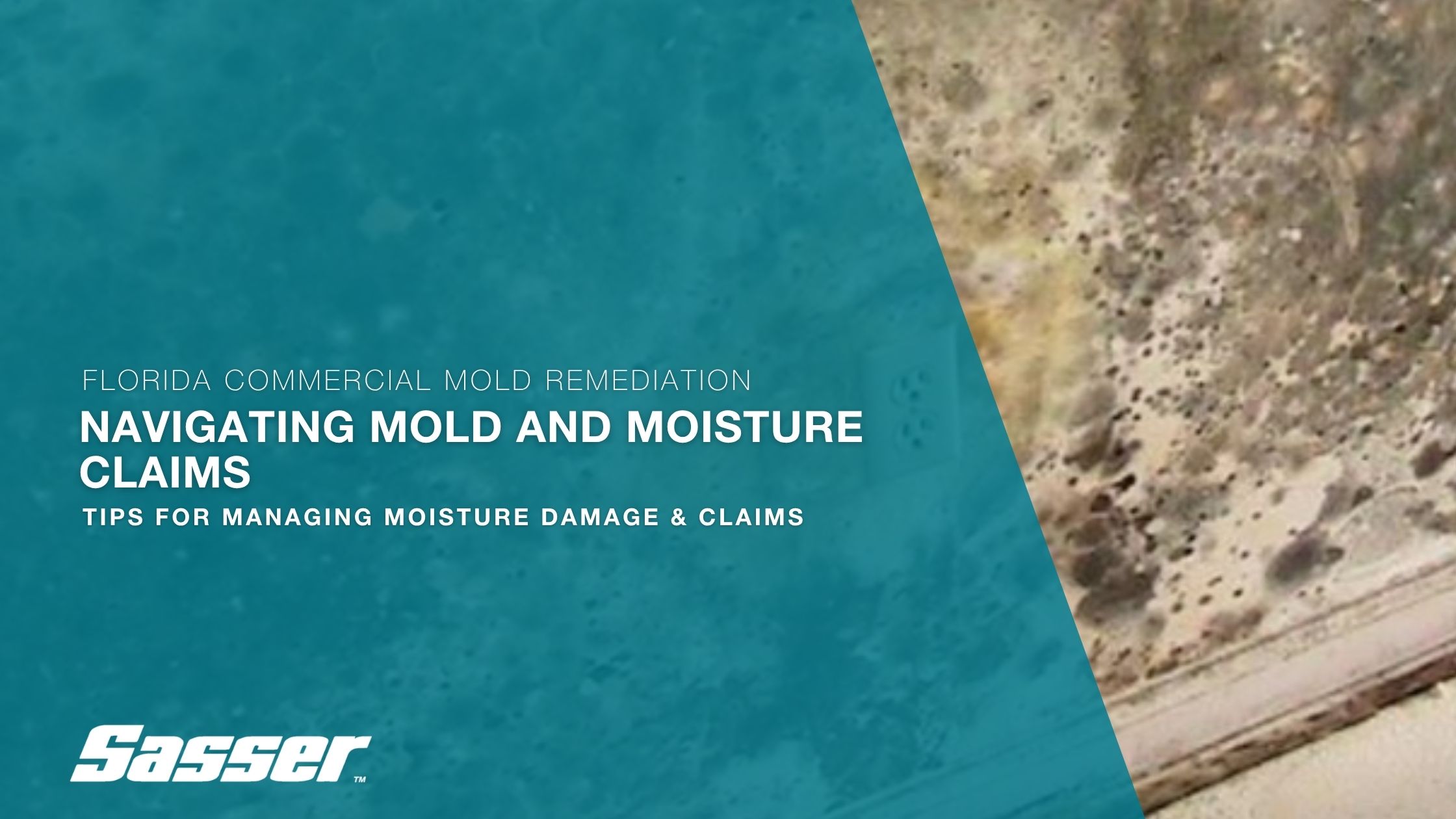
Florida’s climate creates unique challenges for commercial property owners and facility managers. With high humidity levels, frequent rainfall, tropical storms, and extreme weather events, moisture intrusion is a year-round concern for buildings across the state.
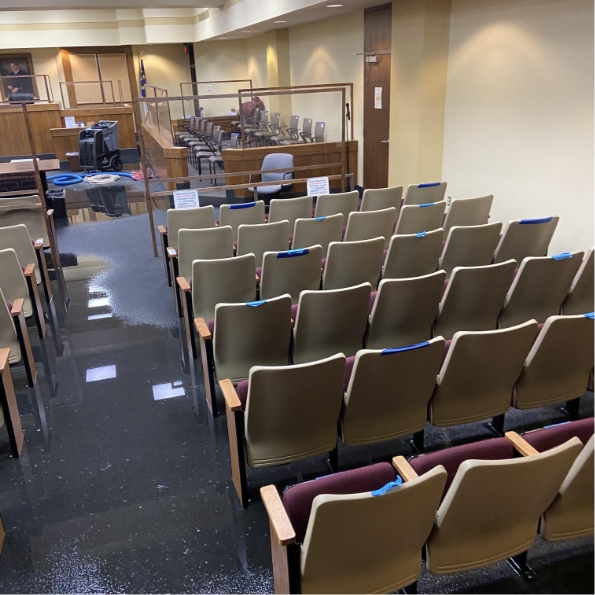
While Florida businesses are often prepared for major storms and flooding events, many moisture-related problems begin much smaller. A slow plumbing leak, condensation issue, roof defect, or HVAC problem can introduce moisture into a building and create the ideal conditions for mold growth if not addressed quickly.
For commercial property owners, the challenge is not only identifying and correcting the source of moisture, but it is also understanding how to properly respond, document damages, and navigate the restoration and insurance claim process.
At Sasser, we help commercial property owners throughout Florida respond to water damage, mold concerns, and environmental challenges with solutions designed to protect their buildings, occupants, and operations.
Why Florida Commercial Buildings Are More Vulnerable to Mold Growth
Mold is a moisture problem first.
While mold spores exist naturally in the environment, they become a concern when they find the right combination of moisture, temperature, and organic materials to support growth. In Florida, the warm and humid climate creates conditions where moisture can remain trapped inside building materials for extended periods.
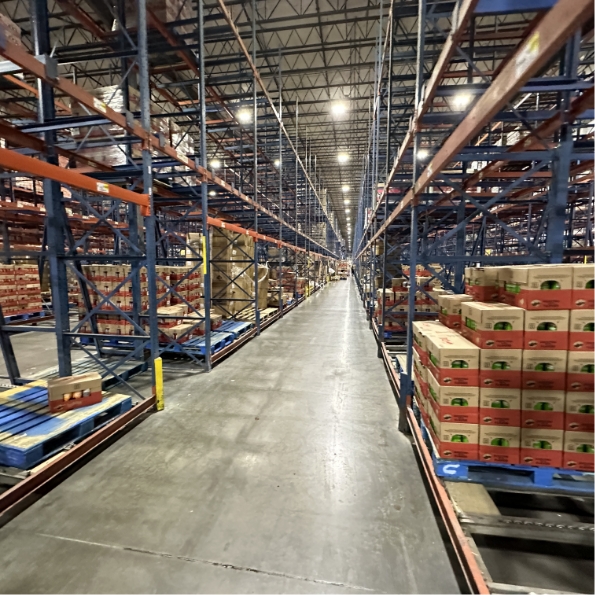
Commercial buildings are especially vulnerable because they often contain large mechanical systems, complex building envelopes, multiple occupancy areas, and concealed spaces where moisture can accumulate unnoticed.
Common causes of moisture intrusion in Florida commercial properties include:
- Roof leaks caused by storms, aging materials, or damaged flashing
- Plumbing failures and hidden pipe leaks
- HVAC condensation issues
- Poor drainage around the building exterior
- Flooding from severe weather events
- Window and door seal failures
- Improper ventilation or humidity control
Even a small moisture issue can become a significant problem if it is not discovered and addressed quickly.
The Hidden Nature of Commercial Moisture Damage
One of the biggest challenges with mold and moisture issues is that the visible damage often represents only a portion of the problem.
Water does not always remain where it first enters a building. It can travel behind walls, beneath flooring systems, through ceiling assemblies, and into insulation or structural materials. These hidden areas can retain moisture long after surfaces appear dry.
For example, a roof leak may not immediately create visible ceiling damage. Instead, water may slowly accumulate above ceiling tiles or inside wall cavities. By the time staining or odors become noticeable, the affected area may be much larger than originally expected.
This is why professional assessment and moisture detection are critical. Restoration professionals use specialized tools and techniques to identify affected areas, determine the extent of damage, and develop an appropriate remediation plan.
Recognizing the Warning Signs of Moisture Problems
Commercial property managers and facility teams are often the first line of defense when it comes to identifying potential moisture issues.
Some warning signs may seem minor but should never be ignored. Musty odors, discoloration on walls or ceilings, peeling paint, warped flooring, condensation around HVAC equipment, and unexplained increases in indoor humidity can all indicate an underlying moisture problem.
In some cases, occupants may report symptoms such as discomfort or concerns about indoor conditions before visible signs appear. While these reports should always be evaluated appropriately, they can provide valuable insight into potential building issues that require further investigation.
Early detection is one of the most effective ways to limit the scope and cost of mold remediation.
Why Fast Action Matters After Water Intrusion
When a commercial building experiences water damage, timing matters.
Moisture that remains untreated can continue spreading into building materials, increasing the likelihood of secondary damage. In warm, humid environments like Florida, delays can create additional challenges because conditions are often favorable for mold development.
A proper response begins with identifying and stopping the source of moisture. From there, restoration professionals evaluate affected materials, remove excess water, establish drying conditions, and monitor progress to ensure moisture levels return to acceptable ranges.
Attempting to address water damage without fully understanding where moisture has traveled can lead to recurring problems. A surface may appear dry while moisture remains trapped behind walls or beneath flooring.
Understanding Mold and Moisture Insurance Claims
Navigating a commercial mold or moisture claim can be complicated. Every insurance policy is different, and coverage often depends on the source of the damage, policy language, timelines, and documentation.
One of the most important steps property owners can take is to begin documenting the situation immediately after discovering damage.
Detailed documentation may include photographs, moisture readings, affected areas, timelines of events, emergency actions taken, and communication with vendors and insurance representatives.
Prompt mitigation is also critical. Most insurance policies require property owners to take reasonable steps to prevent additional damage. Delaying necessary repairs or allowing moisture conditions to continue may complicate the claims process.
Working with an experienced restoration partner can help ensure that the appropriate documentation is collected and that mitigation efforts begin quickly.
The Role of a Restoration Partner During the Claims Process
A qualified restoration company does more than remove damaged materials. They serve as an important resource throughout the recovery process.
Restoration professionals help property owners understand the extent of damage, develop a remediation plan, document affected areas, and coordinate necessary repairs. Their experience can help streamline communication between building owners, facility managers, insurance professionals, and other stakeholders.
For commercial properties, this expertise is especially valuable because restoration decisions often involve balancing business operations with necessary repairs.
A successful restoration plan considers not only what needs to be repaired, but also how to minimize disruption for employees, tenants, customers, and building occupants.
Florida Storms Create Additional Moisture Risks
Florida’s hurricane season and severe weather events introduce another layer of complexity for commercial properties.
High winds, heavy rainfall, and storm-driven water intrusion can damage roofs, windows, exterior walls, and mechanical systems. After major weather events, moisture concerns may exist throughout entire buildings, making quick assessment and response essential.
Storm-related damage also often affects multiple properties simultaneously, increasing demand for restoration resources. Commercial property owners who already have a restoration partner in place are better positioned to receive timely assistance and begin recovery efforts faster.
Preparation before storm season—including emergency planning, vendor relationships, and building assessments—can make a significant difference when severe weather occurs.
Preventing Future Mold and Moisture Issues
While emergency response is important, prevention remains one of the best strategies for protecting commercial properties.
Regular building inspections, proactive maintenance, and early attention to moisture concerns can significantly reduce the likelihood of major damage.
Facility teams should pay close attention to roofing systems, plumbing infrastructure, HVAC equipment, drainage systems, and areas where humidity may accumulate. Maintaining proper ventilation and promptly addressing leaks can help prevent conditions that support mold growth.
For commercial property owners, prevention is not about eliminating every possible risk. It is about identifying vulnerabilities early and addressing them before they become larger, more expensive problems.
Why Florida Businesses Trust Sasser Restoration
Florida commercial properties require a restoration partner who understands the unique challenges created by the state’s climate and building conditions.
Sasser provides comprehensive restoration services for commercial facilities throughout Florida, including emergency water damage response, mold remediation, structural drying, fire and smoke restoration, specialty cleaning, environmental services, reconstruction, and catastrophe response.
Our teams understand that every commercial loss affects more than the building itself. It affects employees, tenants, customers, operations, and business continuity.
That is why we focus on providing responsive service, clear communication, and solutions designed around each client’s specific needs.
Whether a property is dealing with a small moisture issue, a significant mold concern, or storm-related damage, Sasser is prepared to help guide the restoration process from assessment through completion.
Protect Your Commercial Property Before Moisture Becomes a Major Problem
In Florida, moisture management is not a seasonal responsibility—it is a year-round priority.
The most successful property owners recognize that early detection, proactive maintenance, and established restoration relationships are essential parts of protecting their investments.
When moisture problems occur, the right response can make the difference between a manageable repair and a major disruption.
By partnering with an experienced restoration provider before problems arise, commercial property owners can respond faster, reduce damage, and restore their facilities with confidence.
Sasser is ready to help Florida businesses protect their properties, navigate unexpected challenges, and recover when moisture issues arise.
Contact a Sasser ProfessionalWarning: Attempt to read property "ID" on string in /srv/users/itadmin/apps/sasser/public/wp-content/themes/sasser_restoration/single.php on line 78