
Why Mold Remediation Standards Vary by State
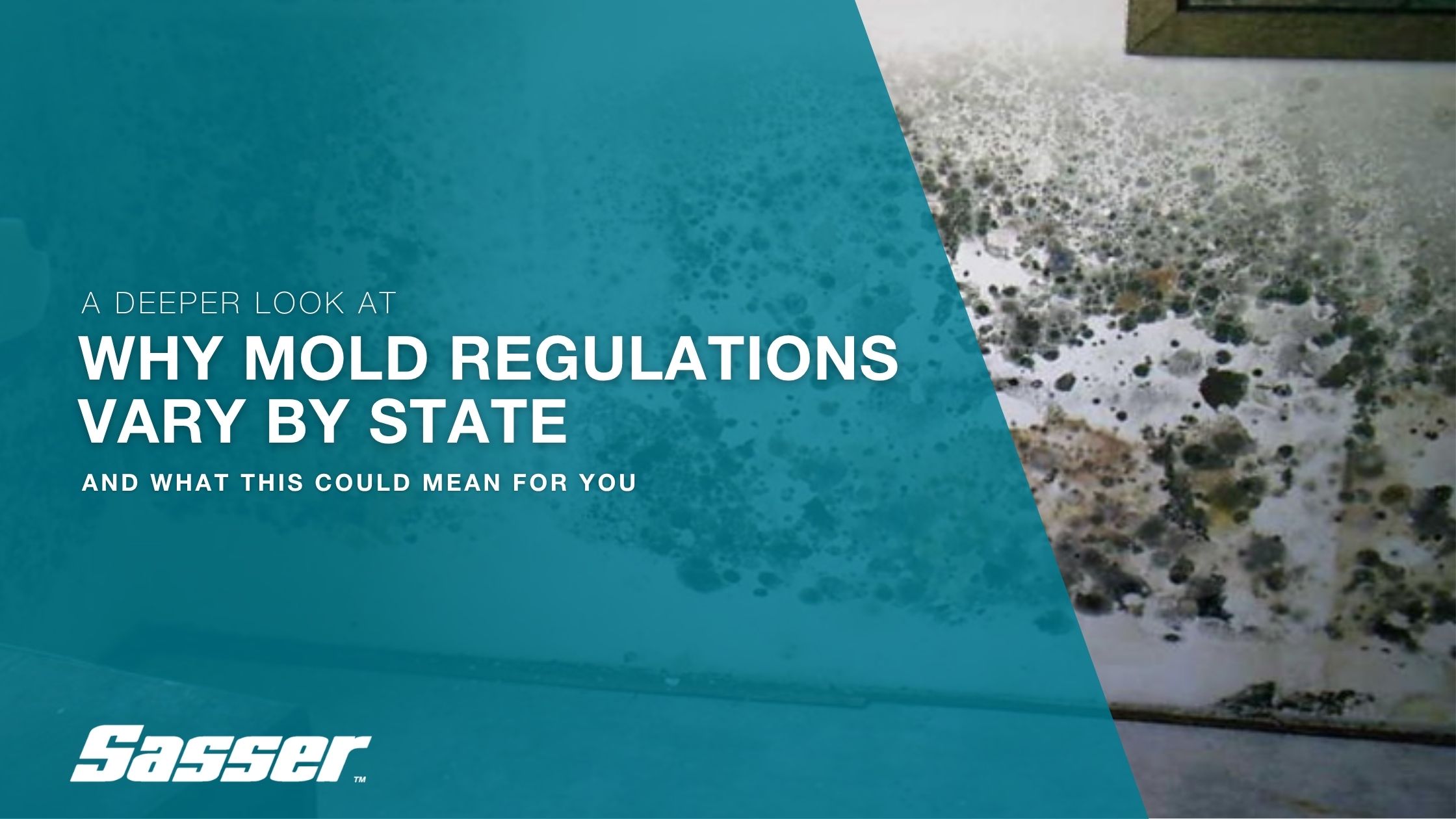
When mold is discovered in a commercial building, most property owners assume there is a universal set of regulations governing how the issue must be handled. In reality, mold remediation requirements can vary significantly from state to state.
Unlike asbestos, lead, or other regulated environmental hazards, mold remediation is not governed by a comprehensive federal licensing program. While organizations such as the EPA, OSHA, and industry associations provide guidance and best practices, individual states are largely responsible for determining whether mold contractors must be licensed, what documentation is required, and how remediation projects should be verified.
For commercial property owners and facility managers, understanding these differences is essential. Regardless of local regulations, the risks associated with improper mold remediation remain the same.
Why Some States Regulate Mold and Others Do Not
States with warm, humid climates and a history of significant water damage claims are more likely to have mold-specific regulations. Frequent hurricanes, tropical storms, flooding events, and moisture-related building issues have led some states to establish licensing programs and oversight requirements designed to protect consumers and improve remediation quality.
States such as Texas and Florida have implemented regulatory frameworks that may require specialized licensing, written remediation protocols, documentation, and in some cases, independent post-remediation verification.
Other states have chosen not to establish mold-specific licensing requirements. Instead, they rely on existing contractor licensing laws, building codes, landlord-tenant regulations, and general consumer protection statutes. In these states, mold remediation contractors may not be subject to any specialized state oversight beyond general construction or restoration requirements.
The result is a patchwork of regulations across the country, creating varying expectations for property owners and contractors depending on location.
What Regulation Means for Property Owners
In regulated states, property owners often benefit from a more structured remediation process. Requirements may include:
- Licensed mold professionals
- Written assessment and remediation plans
- Defined remediation procedures
- Documentation of completed work
- Independent verification or clearance testing
These measures can provide additional accountability and documentation, particularly for insurance claims, tenant concerns, or future property transactions. However, regulation alone does not guarantee a successful remediation outcome. The experience, training, and execution of the remediation team remain critical factors.
In states with minimal mold regulation, property owners often have greater flexibility in selecting contractors, but they also assume greater responsibility for evaluating qualifications, remediation methods, and project documentation.
Why Industry Standards Matter More Than State Regulations
Whether a property is located in North Carolina, Florida, Texas, California, or anywhere in between, mold remediation should always follow established industry best practices.
Successful remediation is about far more than removing visible mold growth. It requires identifying and correcting the moisture source, protecting unaffected areas through containment, removing contaminated materials when necessary, and ensuring the environment is returned to a safe, dry condition.
Professional remediation projects should include:
Moisture Source Identification: Mold growth is a symptom of an underlying moisture problem. Roof leaks, plumbing failures, HVAC issues, condensation, and storm damage must be addressed before remediation can be considered complete.
Proper Containment: Without proper containment, remediation activities can spread spores and contaminants to previously unaffected areas. Engineering controls, critical barriers, and negative air pressure systems help prevent cross-contamination during remediation.
HEPA Filtration and Cleaning: Professional-grade HEPA filtration and detailed cleaning procedures help remove airborne particles and settled contamination from the work environment.
Documentation and Communication: Commercial property owners require clear communication, project documentation, and detailed reporting throughout the remediation process. Proper documentation supports risk management efforts and provides valuable records for tenants, insurers, and stakeholders.
Verification and Quality Assurance: While not required in every state, many commercial clients choose to utilize independent industrial hygienists or environmental consultants to verify project completion and support quality assurance efforts.
The Stakes Are Higher in Commercial Facilities
For commercial properties, the consequences of improper mold remediation extend far beyond cosmetic concerns.
Mold issues can impact:
- Tenant satisfaction and retention
- Employee health and productivity
- Regulatory compliance
- Equipment and inventory
- Business continuity
- Insurance claims and liability exposure
Certain environments, including healthcare facilities, schools, manufacturing operations, data centers, and mission-critical facilities, often maintain remediation standards that exceed state requirements because the operational risks are simply too great.
In these settings, following proven remediation protocols is not just a best practice; it is a business necessity.
Consistency Matters
At Sasser, we understand that regulations may differ from state to state, but our commitment to quality remediation remains the same. Whether responding to a water intrusion, supporting recovery efforts following a major storm event, or managing mold remediation in a mission-critical facility, our approach is guided by industry best practices, technical expertise, and a focus on long-term solutions.
Mold remediation is not simply about removing what is visible today. It is about identifying the source of the problem, protecting building occupants, and helping property owners reduce future risk.
Because while regulations may vary, the importance of doing the job right never changes.
Contact a Sasser Professional