

Why is Asbestos Testing Necessary?
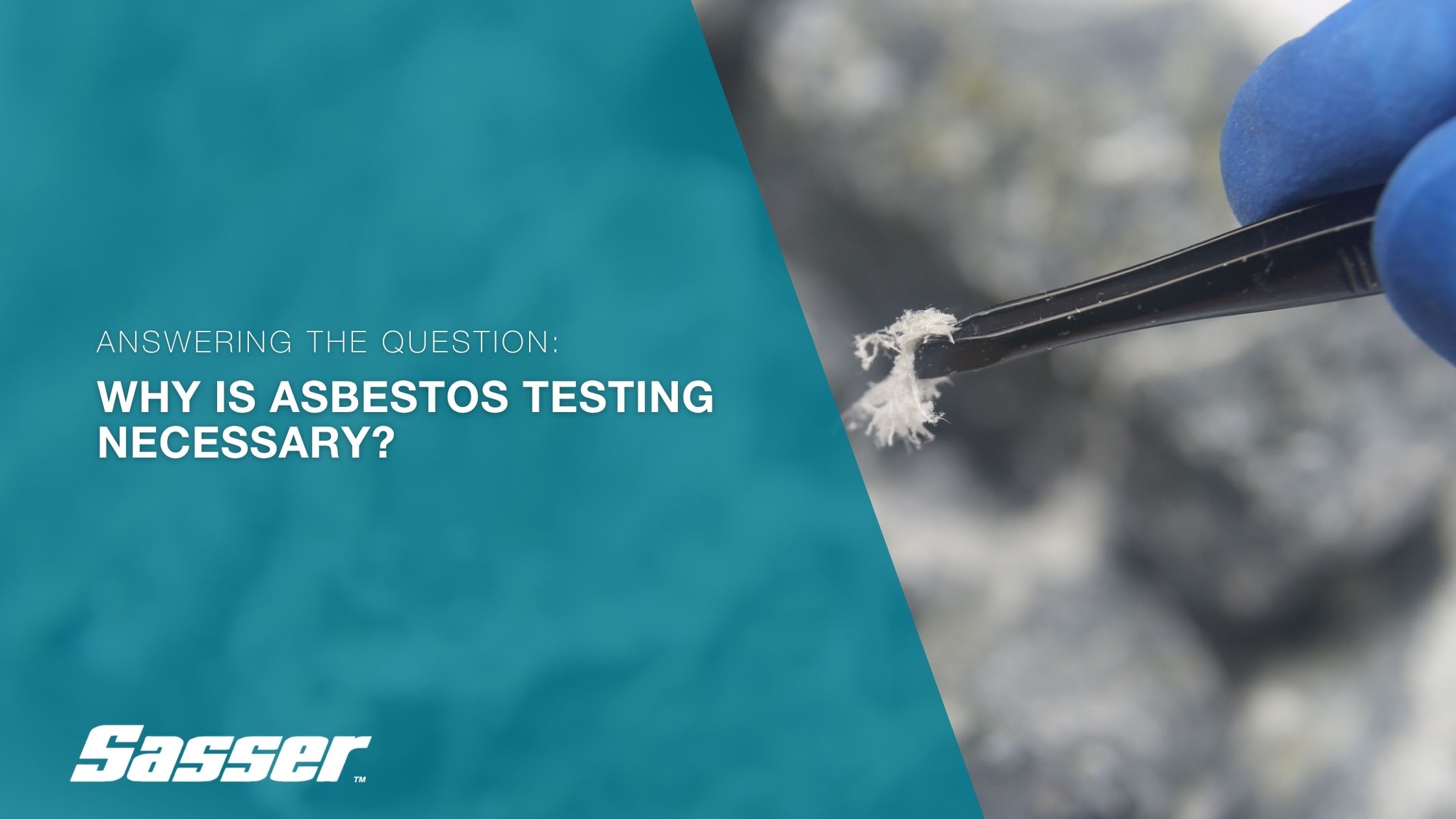
Asbestos testing is not just a precaution—it is a critical step in protecting occupants, maintaining regulatory compliance, and avoiding costly project disruptions. In commercial properties, where renovations, tenant improvements, and mechanical upgrades are routine, failing to test for asbestos can expose building owners to serious health risks and financial liability.
If your facility was constructed before the 1990s, asbestos testing should be a standard part of your risk management and capital planning strategy.
Asbestos Is Often Hidden in Commercial Building Materials
Asbestos was widely used in commercial construction because of its fire resistance, durability, and insulating properties. It can still be found in flooring systems, ceiling tiles, pipe insulation, roofing materials, fireproofing, joint compounds, and mechanical components.
The challenge is that asbestos cannot be identified by sight alone. Materials that look harmless, or even newly renovated areas, may still contain asbestos beneath finished surfaces. Without professional sampling and laboratory analysis, there is no reliable way to confirm whether asbestos is present.
Testing provides clarity before work begins, reducing uncertainty and protecting everyone involved in a project.
Renovation and Demolition Disturb Asbestos Fibers
In commercial environments, asbestos becomes most dangerous when disturbed. Activities such as removing flooring, cutting into drywall, replacing HVAC systems, or demolishing walls can release microscopic fibers into the air.
Once airborne, asbestos fibers can spread beyond the immediate work area through ventilation systems or foot traffic. This increases exposure risks for occupants and workers while expanding the scope and cost of remediation.
The Occupational Safety and Health Administration requires employers to protect workers from asbestos exposure. Conducting testing before renovation ensures compliance with these safety standards and prevents unexpected jobsite shutdowns.
Regulatory Compliance Is Mandatory
Asbestos is heavily regulated at both federal and state levels. The Environmental Protection Agency enforces rules regarding asbestos inspection, notification, removal, handling, and disposal under the Clean Air Act and other environmental statutes.
For commercial property owners, this means that asbestos surveys are often legally required before demolition or significant renovation. Skipping testing can result in stop-work orders, fines, and delays that impact project schedules and tenant relationships.
Proactive testing demonstrates due diligence and protects owners from compliance violations.
Testing Protects Occupants and Reduces Liability
Asbestos exposure has been linked to serious health conditions, including mesothelioma, lung cancer, and asbestosis. These diseases often develop decades after exposure, making early prevention critical.
In commercial settings—such as healthcare facilities, schools, manufacturing plants, and multi-tenant office buildings—owners have a responsibility to provide a safe environment. Documented asbestos testing helps demonstrate that you have taken appropriate steps to identify and manage environmental risks.
From a liability standpoint, testing is far less costly than responding to a contamination incident after fibers have spread throughout a building.
What Professional Asbestos Testing Involves
Professional asbestos testing begins with a site assessment performed by trained and certified inspectors. Suspect materials are carefully sampled using controlled methods that prevent fiber release. These samples are then analyzed by accredited laboratories to determine whether asbestos is present and, if so, in what concentration.
Once results are confirmed, property owners receive documentation outlining the location and condition of asbestos-containing materials. This information guides renovation planning, maintenance protocols, and, if necessary, abatement strategies.
Testing transforms an unknown risk into a clearly defined action plan.
When Asbestos Is Found: The Importance of Professional Abatement
If asbestos-containing materials are identified, professional abatement is the next critical step. Asbestos removal is not a general contracting service; it is a specialized, regulated process that requires licensing, containment systems, and strict adherence to safety standards.
This is where Sasser Restoration’s asbestos abatement services play a vital role for commercial property owners.
Sasser Restoration provides comprehensive asbestos solutions that include assessment coordination, containment setup, negative air systems, safe removal, and proper disposal in accordance with federal and state regulations. Their team understands the urgency of commercial projects and works efficiently to minimize downtime while maintaining the highest safety standards.
By integrating environmental remediation with broader restoration and construction capabilities, Sasser offers a streamlined approach that keeps projects on schedule and compliant.
The Cost of Skipping Asbestos Testing
Many property owners consider testing an added expense. In reality, it is a cost-control measure. Discovering asbestos mid-project can halt construction, require emergency containment, and significantly increase remediation costs.
Unplanned contamination can also impact adjacent areas, tenants, and building systems, turning a localized issue into a facility-wide problem.
Testing before renovation allows asbestos abatement to be scheduled strategically rather than reactively.
How Sasser Can Help
Asbestos testing is necessary because asbestos is often hidden, heavily regulated, and dangerous when disturbed. In commercial properties, where renovations and system upgrades are routine, proactive testing protects occupants, ensures compliance, and safeguards project timelines.
If your facility was built before the 1990s or you are planning demolition or tenant improvements, asbestos testing should be your first step—not an afterthought.
And if asbestos is identified, partnering with an experienced and certified provider like Sasser Restoration ensures the abatement process is handled safely, efficiently, and in full regulatory compliance so your property, your occupants, and your investment remain protected.
Contact a Sasser Professional