

What is PCB Abatement?
PCB Abatement: What Property Owners Need to Know About Testing, Removal & Compliance
Polychlorinated biphenyls (PCBs) were once widely used in commercial and industrial construction because of their durability and heat resistance. Although they were banned decades ago, many older buildings still contain PCB-laden materials. For property owners and facility managers, understanding PCB abatement is critical to maintaining compliance, protecting occupants, and avoiding costly project delays.
If your building was constructed or renovated between the 1950s and late 1970s, there is a possibility that PCBs are present.
What Are PCBs?
PCBs are synthetic chemical compounds that were commonly used in electrical equipment and construction materials. Because of their durability and heat resistance, they were frequently found in transformers, capacitors, fluorescent light ballasts, caulking, paints, coatings, adhesives, and hydraulic systems.
In 1979, PCBs were banned under the Toxic Substances Control Act and regulated by the Environmental Protection Agency due to growing evidence of environmental persistence and serious health risks. However, the ban did not require automatic removal of existing materials, which is why PCB-containing components remain in many legacy buildings today.
Why PCB Abatement Matters
PCBs are classified as probable human carcinogens and are known to impact the immune, reproductive, nervous, and endocrine systems. Because these chemicals do not easily break down, they can remain in building materials and surrounding environments for decades.
Exposure can occur when materials deteriorate or are disturbed during renovation or demolition. Dust generated during construction can spread contamination beyond the immediate work area, increasing liability and regulatory risk.
The Environmental Protection Agency enforces strict rules governing how PCBs are handled, removed, transported, and disposed of. Non-compliance can result in substantial fines and project shutdowns.
Where PCBs Are Commonly Found in Buildings
In commercial and institutional facilities, PCBs are most often discovered in original fluorescent light ballasts manufactured before 1979. These components may contain PCB oil that can leak as equipment ages.
Another frequent source is caulking and sealants used around windows, masonry joints, and curtain wall systems. Over time, this material can deteriorate and contaminate adjacent surfaces such as brick, concrete, and soil.
Buildings constructed during the peak usage years, roughly 1950 through 1979, are at the highest risk. Schools, healthcare facilities, government buildings, and older office properties are particularly common environments for PCB discovery.
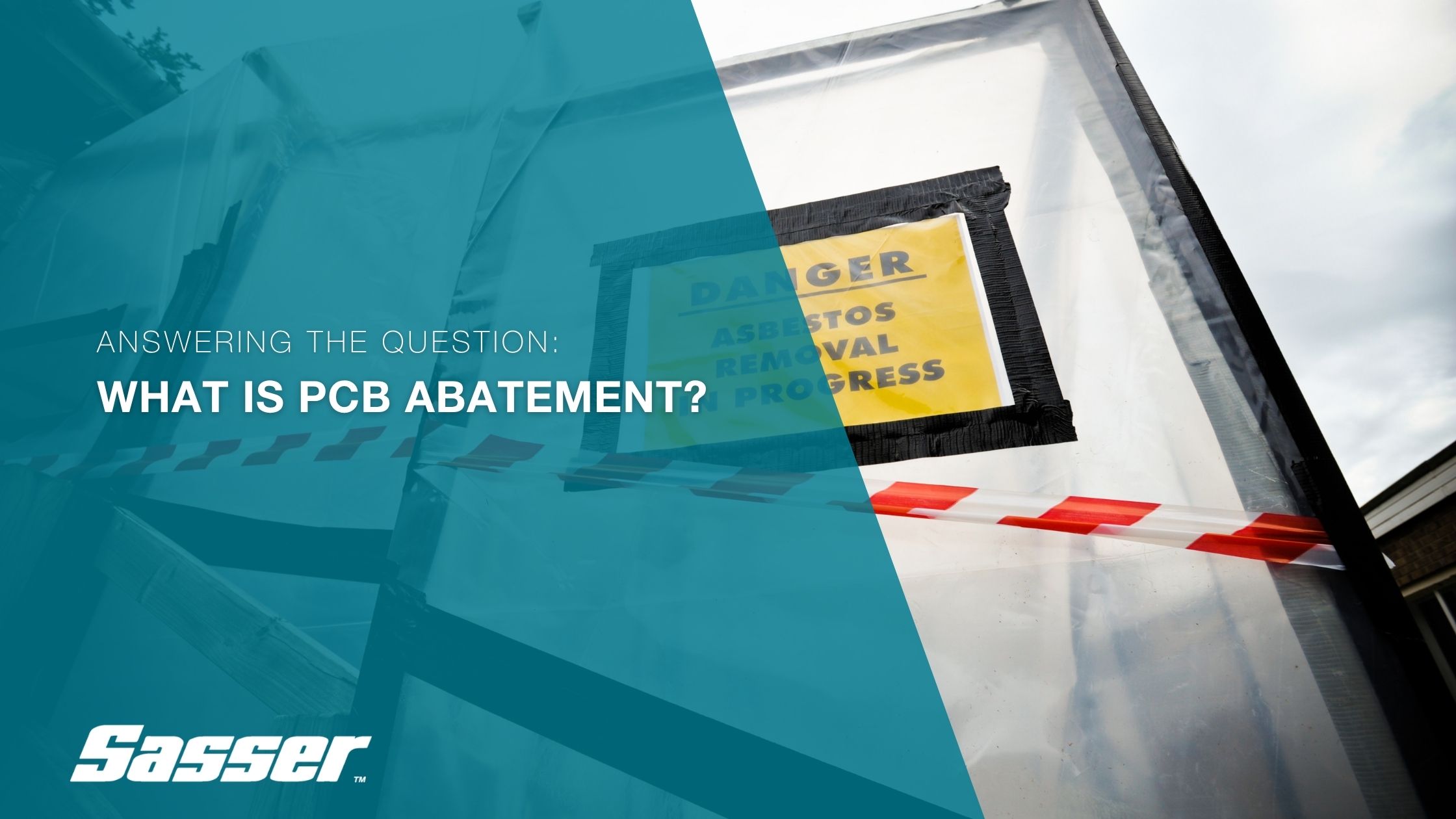
What Is PCB Abatement?
PCB abatement is the controlled process of identifying, removing, containing, and properly disposing of materials contaminated with PCBs in accordance with federal regulations.
The process begins with environmental testing. Certified professionals collect samples of suspected materials and send them to accredited laboratories to determine PCB concentration levels. These results guide the development of a remediation plan that aligns with regulatory thresholds.
Containment measures are then implemented to prevent cross-contamination. Depending on the situation, materials may be fully removed or encapsulated under approved guidelines. All waste must be transported to authorized hazardous waste facilities, and documentation must be maintained to demonstrate compliance.
Because PCB remediation falls under federal regulation, projects require careful coordination and strict adherence to standards established by the Environmental Protection Agency.
PCB Abatement and Renovation Projects
PCB contamination is often discovered during capital improvement projects. When renovations disturb old caulking, lighting systems, or structural components, PCBs can be released into the air or spread to surrounding materials.
For this reason, environmental due diligence should be conducted before beginning demolition or renovation in older facilities. Proactive testing protects both project timelines and budgets. Identifying PCBs early allows remediation to be incorporated into the construction schedule rather than becoming an emergency response.
Costs and Liability Considerations
The cost of PCB abatement varies depending on the extent of contamination, accessibility of materials, and disposal requirements. While remediation can represent a significant investment, it is often far less expensive than regulatory penalties, environmental contamination cleanup, or reputational damage.
Failing to assess for PCBs before construction can also result in stop-work orders and extended downtime—particularly in healthcare, education, or multi-tenant commercial environments.
How Sasser Can Help
PCB abatement is not simply a removal service; it is a regulated environmental compliance process. If your property was built before 1980, incorporating PCB testing into your risk management and renovation planning strategy is a smart and proactive step.
Early identification, proper containment, and licensed remediation professionals are essential to protecting occupants, maintaining compliance, and ensuring your project stays on track.
If you suspect PCBs in your building, call Sasser Restoration for professional testing and abatement.
Contact a Sasser Professional