

Ice Dams: A Hidden Winter Risk for Commercial Buildings
Ice dams are often thought of as a residential problem, but they can be even more damaging for commercial buildings. Flat or low-slope roofs, large surface areas, and complex drainage systems make many commercial properties especially vulnerable. When ice dams form, they don’t just create a nuisance. They can lead to costly repairs, business interruptions, and long-term structural issues if they’re not addressed.
Understanding how ice dams form and what can be done to prevent them is one of the most effective ways to protect a commercial property during winter.
What Ice Dams Are and Why They’re Dangerous
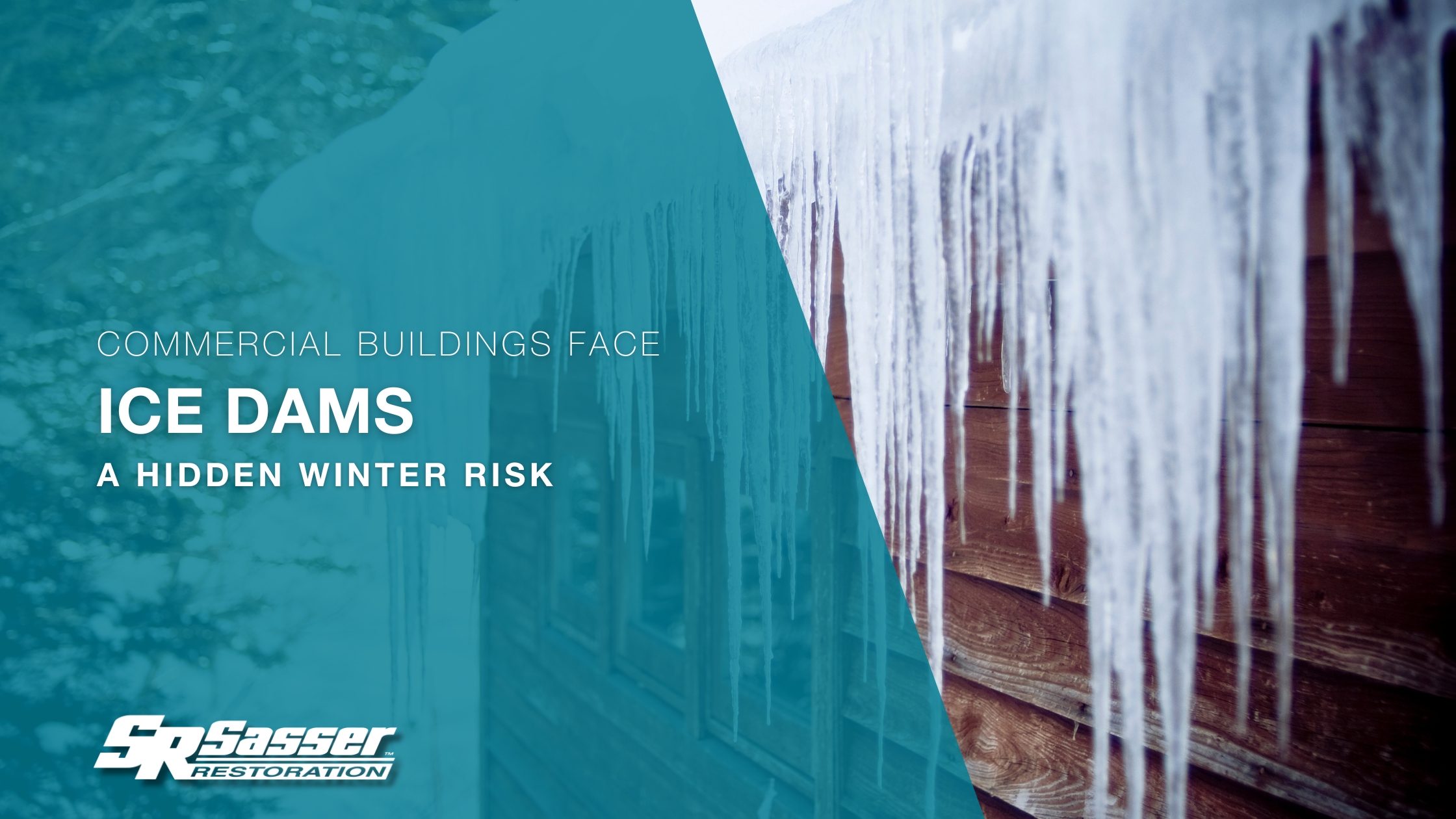
An ice dam forms when snow on a roof melts, flows toward the edge, and refreezes. This usually happens when parts of the roof are warmer than others. The ice creates a barrier that traps additional meltwater behind it. With nowhere to go, that water can back up under roofing materials and into the building.
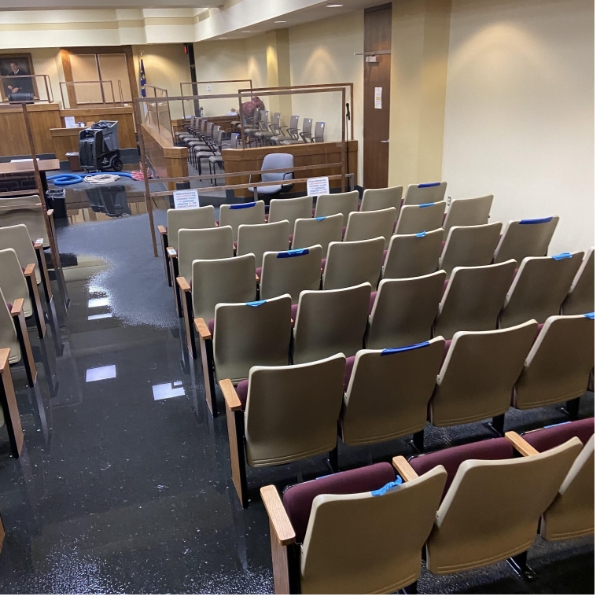
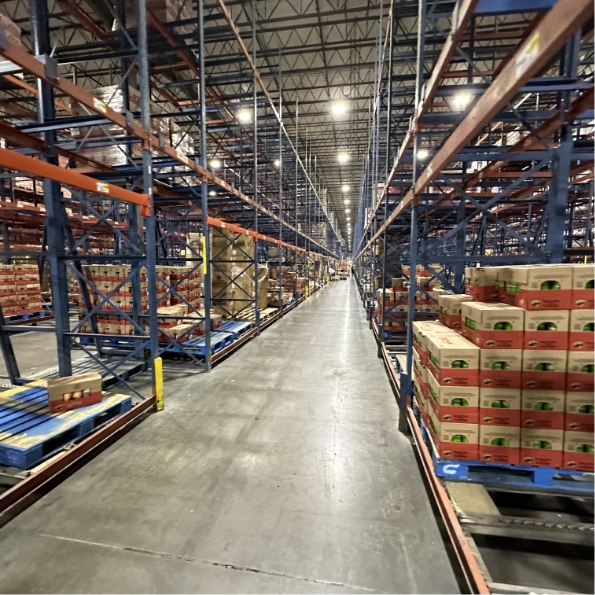
For commercial businesses, the risks are significant. Water intrusion can damage insulation, ceilings, walls, and electrical systems. In retail or office spaces, leaks can ruin inventory, equipment, or interior finishes. In warehouses and industrial facilities, moisture can corrode metal components or damage stored materials.
There’s also a safety concern. Large ice formations can break loose and fall, creating hazards for employees, customers, and pedestrians below. If an injury occurs, the business owner may be liable.
Why Commercial Buildings Are Especially at Risk
Commercial roofs tend to collect more snow simply because they’re larger. Many also have flat or low-slope designs, which slow drainage and allow melting snow to pool. Rooftop units, vents, skylights, and HVAC systems create heat loss points that accelerate melting in specific areas. When that meltwater reaches colder roof edges or drains, it freezes and starts the ice dam cycle.
Older buildings are particularly vulnerable. Aging insulation, outdated ventilation, and worn roofing materials all increase the likelihood of uneven roof temperatures and water penetration.
Preventing Ice Dams Before Winter Starts
The most effective way to deal with ice dams is to prevent them from forming in the first place. That starts with controlling heat and water movement on the roof.
Proper insulation is critical. When heat escapes from the building into the roof, it melts snow unevenly. Ensuring that insulation is consistent and adequate across the entire roof helps keep surface temperatures stable.
Ventilation also plays a key role. Good airflow allows cold air to circulate under the roof deck, reducing warm spots. For commercial buildings, this may involve reviewing rooftop ventilation design and ensuring vents are not blocked or damaged.
Another essential step is managing drainage. Roof drains, scuppers, and gutters should be clear and properly sloped so melting snow can exit the roof quickly. If water can drain away before it refreezes, ice dams are far less likely to form.
Ongoing Preventative Maintenance During Winter
Winter maintenance matters just as much as preseason preparation. After heavy snowfall, controlled snow removal can reduce the load on the roof and limit melting. This should always be done by trained professionals to avoid damaging roofing materials or creating safety risks.
Regular inspections during freeze-thaw cycles can catch early warning signs. Icicles forming along roof edges, ponding water, or interior ceiling stains are all signals that an ice dam may be developing.
In some cases, heat trace systems or roof de-icing cables may be appropriate, especially around drains and problem areas. These systems help keep water flowing but should be installed and monitored carefully to avoid unnecessary energy use or roof damage.
Long-Term Protection and Cost Savings
Addressing ice dams isn’t just about avoiding a winter headache. Water damage from ice dams often leads to mold growth, reduced insulation performance, and premature roof failure. Those issues don’t stop when winter ends.
Routine roof assessments, insulation upgrades, and drainage improvements can significantly extend the life of a commercial roof. More importantly, they help protect the building’s interior and keep businesses operating without disruption.
For commercial property owners and facility managers, ice dam prevention is a smart investment. A proactive maintenance plan costs far less than emergency repairs, lost revenue, or liability claims. When winter hits hard, preparation makes all the difference.
When Ice Dams Cause Damage, Call Sasser Restoration
Even with the best prevention plan, ice dams can still cause unexpected damage. If water intrusion, roof leaks, or structural issues occur, fast action is critical. Sasser Restoration specializes in water damage mitigation, structural drying, and reconstruction caused by winter weather events, including ice dam damage.
From emergency response and moisture control to full reconstruction services, Sasser Restoration helps commercial businesses recover quickly and safely. Their experienced team understands the urgency of minimizing downtime and protecting your property from further damage. When winter conditions impact your building, having a trusted restoration partner makes all the difference.
Contact a Sasser Professional